
Digital Transformation for SMEs: 7 Proven Growth Strategies
Learn effective digital transformation strategies for SMEs to improve efficiency, secure systems, and scale successfully. Start your journey now!
Want to make your Microsoft 365 work harder for your business?
and we’ll tailor a solution that’s just right for you.
Most SMEs are failing at digital transformation, and they don’t even realise it. Despite investing in flashy new software or AI tools, many small and medium-sized enterprises lack a strong digital foundation. A recent study revealed that while 46% of European SMEs use AI tools like ChatGPT daily, far fewer have implemented basic digital systems like accounting software or document management platforms.
This gap highlights a critical problem. Getting straight into advanced technologies without building fundamental digital capabilities can create more inefficiencies than solutions. For SMEs, adopting digital transformation isn’t just about upgrading tools; it’s about redefining workflows, improving operational efficiency, and preparing for sustainable growth.
In this guide, we’ll explore seven proven strategies that SMEs can implement to successfully manage digital transformation. These strategies focus on building a strong digital foundation, using technology effectively, and staying ahead in the market without wasting time or resources.
Essential Highlights
- Start with a Clear Digital Roadmap: Align your digital transformation initiatives with business objectives to ensure each strategy delivers measurable efficiency and growth.
- Prioritise Staff Engagement and Training: Early communication, hands-on training, and ongoing support foster adoption and reduce resistance to new technologies.
- Adopt Cloud and Integrated Tools: Implement cloud-based platforms, CRM systems, and workflow automation to streamline operations and centralise data effectively.
- Focus on Security and Compliance: Integrate robust cybersecurity measures and regulatory compliance checks to protect data and maintain customer trust.
- Measure and Optimise Continuously: Track efficiency gains, cost savings, and customer metrics, then refine strategies to maximise ROI and future-proof your SME.
Why Digital Transformation Marks a Turning Point for SMEs?
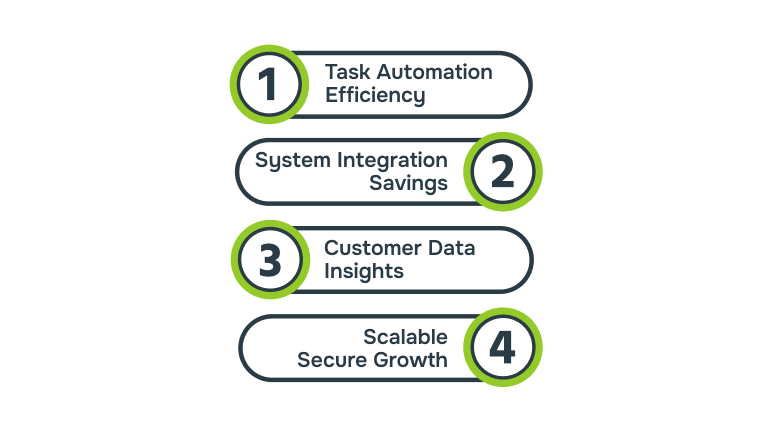
For many SME owners, juggling outdated software, disconnected tools, and manual processes is a constant source of frustration. Digital transformation addresses these pain points by helping businesses operate more efficiently, reduce costs, and prepare for future growth. Here’s how SMEs can make digital transformation work for them.
Automate Repetitive Tasks to Boost Efficiency
SMEs can replace time-consuming manual work, such as spreadsheets and emails, with workflow automation tools for tasks like invoicing, data entry, or reporting. Identify the processes that slow your team down and automate them to reduce errors and unlock staff capacity for strategic work.
Integrate Systems to Cut Costs
Rather than investing in multiple standalone apps, integrate core systems such as accounting, inventory, and HR into a single platform. SMEs can start by auditing their current software stack, identifying overlaps, and choosing integrated solutions that reduce subscriptions and manual reconciliation. This approach can cut operational costs while providing a clear view of resources and expenditures.
Use Customer Data to Improve Experience
Digital tools like CRMs, analytics dashboards, and customer portals are not just tech for tech’s sake. They give SMEs actionable insights. Begin by tracking customer interactions across channels, then use this data to personalise communications, resolve issues faster, and offer proactive solutions. Even small steps, like automated follow-ups or loyalty tracking, can significantly improve client satisfaction.
Build Scalable and Secure Foundations for Growth
SMEs often grow faster than their systems can handle. To prevent operational slowdowns, start with cloud-based platforms and scalable software that can adapt as your business expands. Secure your data with regular backups and compliance checks, and plan for new technology adoption, whether AI tools, analytics, or mobile apps. This ensures your operations remain smooth and compliant as demands evolve.
Implementing digital transformation is one thing; making it seamless and effective is another. Alberon helps SMEs bring these strategies to life with solutions like customised workflow automation, integrated cloud platforms, and data-driven tools tailored to your business. The team ensures technology works for you, making adoption easier, reducing operational stress, and supporting scalable growth.
Reach out to Alberon today to find out how your SME can adopt new systems confidently and efficiently.

While the benefits are clear, SMEs often encounter practical hurdles that can slow down or derail their digital transformation journey. Understanding these challenges is the first step to overcoming them.
Also read: Comprehensive IT Solutions and Services for Businesses
The Hidden Roadblocks and Fixes Slowing SME Digital Transformation
Most SMEs don’t fail at digital transformation because of bad tools. They struggle because internal habits, disconnected systems, or unclear priorities slow things down before progress even begins. When change feels disruptive rather than useful, teams fall back to familiar workarounds and momentum is lost.
To avoid this slow drift back to old ways, business leaders need clarity on what’s blocking progress and how to fix it without stretching budgets or overwhelming staff.
The table below breaks down the most common hurdles, their consequences, and the simplest next steps to resolve them.
| Challenge | Potential Consequences | Practical Solutions |
| Limited IT budgets and resources | SMEs may struggle to invest in modern systems, leading to slower digital adoption, inefficiencies, and missed opportunities to improve productivity. | Prioritise critical systems first; consider cloud-based or subscription software to reduce upfront costs; use phased implementation to spread investment over time. |
| Resistance to change from staff | Employees may continue using old processes, leading to poor adoption of new tools, reduced productivity, and frustration among teams. | Communicate the benefits clearly; involve staff in planning; provide training and ongoing support; recognise and reward early adopters. |
| Fragmented or outdated systems | Outdated or disconnected systems create data silos, duplicated work, and inefficiencies that hinder collaboration and make it difficult to scale operations. | Conduct a systems audit; integrate core applications; replace legacy software with scalable cloud solutions. |
| Data security and compliance concerns | Inadequate security measures can lead to data breaches, legal penalties, and loss of client trust, potentially damaging the business’s reputation. | Implement secure platforms with encryption; adopt GDPR-compliant systems; regularly update software and monitor access controls. |
With these challenges in mind, SMEs can now explore practical, step-by-step strategies that address each obstacle and guide a successful digital transformation journey.
A Step-by-Step Approach to Digital Transformation That Actually Works
Digital transformation works best when approached with clear, practical steps that deliver measurable results. For SMEs, this means adopting the right tools, optimising processes, and strengthening customer relationships, all while keeping daily operations running smoothly.
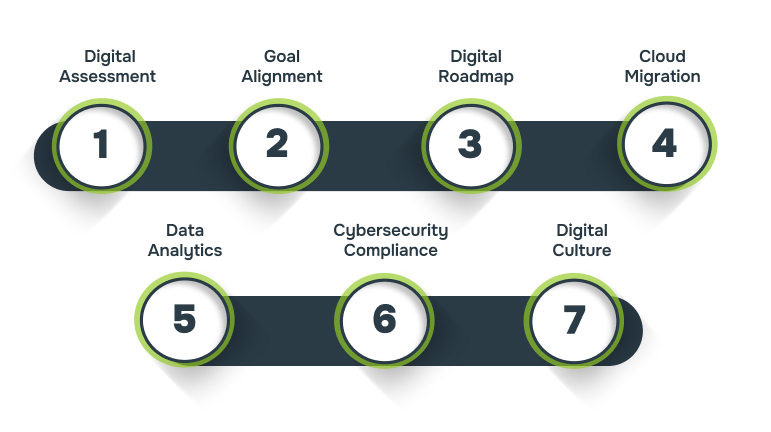
The seven strategies below provide a structured roadmap, showing how to implement changes confidently, avoid common pitfalls, and ensure every step adds real value to your business.
1. Assess Your Current Digital Maturity
Before implementing new technologies, understand where your business stands. Evaluate existing software, workflows, and processes. Identify areas where manual work is slowing operations or where disconnected tools create inefficiencies.
For example, if your sales and finance teams use separate spreadsheets, integration could save hours of manual reconciliation.
A clear assessment helps prioritise investments and ensures you tackle the most pressing challenges first.
2. Set Clear, Measurable Objectives Aligned with Business Goals
Digital transformation should solve concrete business problems. Define what success looks like, whether it is reducing operational bottlenecks, improving customer response times, or enabling remote collaboration.
For instance, setting a goal to reduce invoice processing time by 30 percent helps you select the right automation tools and track progress effectively. Clear objectives turn technology adoption from a vague ambition into a tangible roadmap.
3. Develop a Structured Digital Roadmap
Once objectives are clear, create a detailed plan. Prioritise initiatives based on impact and feasibility, map timelines, assign responsibilities, and allocate budgets.
For instance, when building scalable systems, Alberon developed the Intelligent Case Management System for a volunteer service supporting vulnerable individuals. By mapping workflows, integrating secure data management, and automating volunteer allocation, we reduced response times and improved service delivery. SMEs in any sector can apply similar principles to improve efficiency, compliance, and customer satisfaction.
4. Move to Cloud-Based Platforms for Scalability
Cloud technology enables SMEs to scale without heavy infrastructure costs. Migrating essential applications like CRM, ERP, and project management tools to the cloud ensures flexibility, remote accessibility, and faster deployment. SMEs can start small, moving one department at a time, and expand as confidence grows. Cloud adoption also simplifies maintenance and updates, freeing internal teams for strategic tasks.
5. Rely on Data Analytics for Informed Decision-Making
Data is the backbone of effective digital transformation. SMEs should track operational, customer, and financial data, then use analytics to uncover patterns and opportunities.
For example, analysing customer interactions can highlight areas to improve service, while inventory data can prevent stock shortages. Even simple dashboards offer actionable insights that guide smarter decisions and boost efficiency.
6. Prioritise Cybersecurity and Compliance
Digital systems come with new risks. Protect sensitive business and customer data by implementing secure platforms, regular software updates, and strong access controls. Ensure compliance with regulations like GDPR. SMEs can also train staff on security best practices, reducing human error. Addressing cybersecurity early prevents costly breaches and builds client trust, which is critical for long-term growth.
7. Foster a Digital-First Culture Among Employees
Technology only works when people adopt it. SMEs must create a culture that encourages experimentation, learning, and continuous improvement. Offer training sessions, provide hands-on support, and celebrate early successes to boost morale. Encourage teams to give feedback on tools and processes, ensuring adoption is smooth. A digital-first mindset transforms technology from a set of tools into a strategic advantage.
To implement these strategies effectively, SMEs benefit from guidance by a trusted technology partner offering tailored solutions and ongoing support.

How Alberon Supports SMEs with Practical Technology Solutions
SMEs often face fragmented systems, manual processes, and pressure to grow efficiently. Alberon addresses these challenges by offering solutions that are tailored, secure, and easy to adopt, so businesses can focus on what truly matters: serving customers and scaling operations.
Key Services and Features:
- Dynamics 365 Solutions: Tailored CRM and ERP systems that centralise sales, finance, and operations. By connecting data across teams, SMEs can reduce duplicated work, speed up processes, and make smarter decisions based on real-time insights.
- Microsoft 365 Optimisation: Streamline communication and collaboration with tools like Teams, Outlook, and SharePoint. Automate workflows and manage documents efficiently, ensuring your teams can work effectively whether in-office or remotely.
- Custom Software Development & Web Support: Create software and web applications designed for your unique business needs. From concept to ongoing support, these solutions eliminate inefficiencies and adapt as your SME grows.
- Microsoft SharePoint & Power Platform Services: Build connected, automated workflows that replace repetitive manual tasks. These tools give SMEs better control over data, improve reporting, and reduce errors across departments.
- Managed Web Hosting: Secure and reliable hosting ensures websites and applications run smoothly. Combined with staff training on cybersecurity best practices, SMEs can protect sensitive data and maintain customer trust.
Every solution is designed to solve real business problems, not just implement technology for the sake of it. By combining tailored software, cloud-based platforms, and staff enablement, Alberon helps SMEs operate more efficiently, enhance customer experiences, and plan confidently for growth.
Talk to an Expert for Tailored SME Technology Solutions!
Conclusion
Digital transformation is no longer optional for SMEs. It is essential for staying competitive, streamlining operations, and preparing for future growth. While challenges such as limited resources, resistance to change, and outdated systems can seem daunting, a structured approach and the right strategies make the journey achievable and rewarding.
By assessing digital maturity, setting clear goals, using cloud platforms, harnessing data analytics, prioritising security, and fostering a digital-first culture, SMEs can unlock efficiency, improve customer experiences, and scale confidently.
Partnering with a trusted technology provider like Alberonensures your SME benefits from bespoke solutions, seamless cloud integration, and end-to-end support. Book a consultation today!
FAQs
1. How can SMEs modernise legacy systems without disrupting operations?
Alberon helps SMEs migrate outdated software to cloud-based, integrated solutions in phases, ensuring business continuity while improving efficiency and scalability.
2. Which digital tools are most effective for SME workflow automation?
Tools like CRM platforms, cloud-based ERP systems, and project management applications streamline repetitive tasks, centralise data, and reduce errors when implemented strategically.
3. How can SMEs improve customer engagement through digital transformation?
By integrating CRM systems with analytics and web applications, SMEs can track customer interactions, personalise communication, and respond faster, boosting satisfaction and loyalty.
4. What steps ensure successful adoption of new digital systems among staff?
Clear communication of benefits, hands-on training, and ongoing support foster a digital-first culture. Celebrating early successes encourages adoption and reduces resistance to change.
5. How does partnering with Alberon minimise risks during digital transformation?
Alberon provides end-to-end support, from planning and prototyping to integration and optimisation. Their expertise ensures secure, compliant, and scalable solutions tailored to each SME’s workflows.
6. Can SMEs measure ROI from digital transformation initiatives?
Yes. With Alberon’s solutions, SMEs can track efficiency gains, cost savings, and improved customer metrics, allowing them to evaluate the impact of digital initiatives and optimise further.
Ready to Improve your Business Productivity
Get a trusted partner to navigate your digital transformation. With Alberon, you can ensure a smooth transition, clear communication, and peace of mind.