Top Cost-Effective IT Solutions Every UK Business Needs
Discover cost-effective IT solutions for businesses with managed services, cloud software, and flexible pricing. Enhance security and reduce downtime. Click now!
Want to make your Microsoft 365 work harder for your business?
and we’ll tailor a solution that’s just right for you.
IT costs are putting strain on UK businesses more than ever. A government-led Help to Grow: Digital evaluation shows that SMEs were eligible for vouchers covering up to £5,000(50% of their software costs) to ease the financial burden of digital adoption. But even with access to subsidised tech, many firms still struggle to optimise how they use IT, often dealing with overlapping licences, redundant systems, or underused tools.
A recent report by Google Cloud reveals that nearly 59% of UK SME ownershave shelved transformative ideas due to a lack of time, despite recognising that innovation could significantly enhance revenues. This highlights a critical challenge: while financial support is available, the real hurdle lies in effectively utilising IT investments to drive business growth.
Moreover, a study by Red Hat indicates that 89% of UK businesses have yet to see tangible customer value from their AI investments. This underscores the importance of not just adopting new technologies, but also ensuring they are integrated and utilised effectively to deliver measurable outcomes.
Key Takeaways
- Focus on Strategic IT Investments: Cost-effective IT is about choosing solutions that deliver real business value. Investments should enhance operational efficiency, reduce redundancy, and provide measurable returns over time.
- Adopt Custom and Cloud Solutions: Tailored software fits your unique workflows, while cloud platforms reduce infrastructure costs, simplify maintenance, and scale with business growth.
- Modernise Legacy Systems Carefully: Upgrading outdated systems in phases ensures minimal disruption, lowers operational costs, and unlocks new productivity opportunities.
- Integrate Security and Compliance: Incorporating GDPR-compliant security and regular audits into every solution protects sensitive data, avoids regulatory fines, and maintains operational continuity.
The Importance of IT Solutions That Save Costs and Time
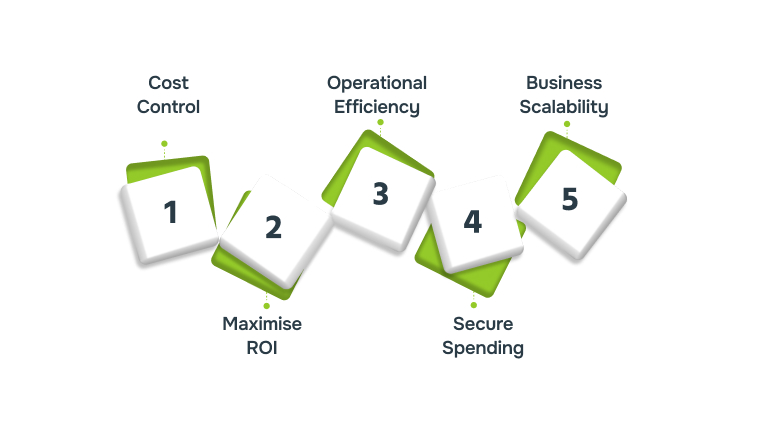
For UK businesses, IT is no longer just a support function. It is a critical driver of efficiency, productivity, and growth. Yet, with budgets under constant pressure, investing in technology without a clear strategy can quickly become a drain on resources. Here are some key reasons why cost-effective IT solutions are crucial for your business:
1. Control Rising IT Costs
Many SMEs and mid-sized businesses face overlapping software licences, underused subscriptions, and outdated hardware. Investing in cost-effective solutions ensures you pay only for what you need, consolidating tools and avoiding unnecessary expenditure.
2. Maximise ROI from IT Investments
Spending on IT should not be an expense. It should be an investment that delivers measurable outcomes. Whether it is through cloud migration, automation, or integrated software systems, businesses can reduce manual effort, shorten process cycles, and free up employees to focus on strategic work.
3. Boost Operational Efficiency
Redundant processes, disconnected systems, and manual workflows waste both time and money. Cost-effective IT solutions enable seamless integration across platforms, reducing errors, streamlining operations, and improving team collaboration.
4. Strengthen Security Without Overspending
Cybersecurity is essential for UK businesses, but security solutions are often perceived as costly. Cost-effective IT solutions include managed security services, cloud-based monitoring, and automated compliance tools, which protect sensitive data while keeping costs predictable.
5. Scale With Business Growth
As your business evolves, your IT needs will change. Solutions that are cost-effective today but inflexible tomorrow create additional expenses. Scalable, modular IT systems ensure your technology investment grows alongside your business, avoiding the need for frequent, expensive overhauls.
Understanding why cost-effective IT matters sets the stage for exploring practical solutions that help UK businesses optimise efficiency, reduce expenses, and achieve measurable results.
Also Read: Bespoke Software Solutions for Unique Needs UK
Top Cost-Effective IT Solutions to Maximise ROI for UK Companies
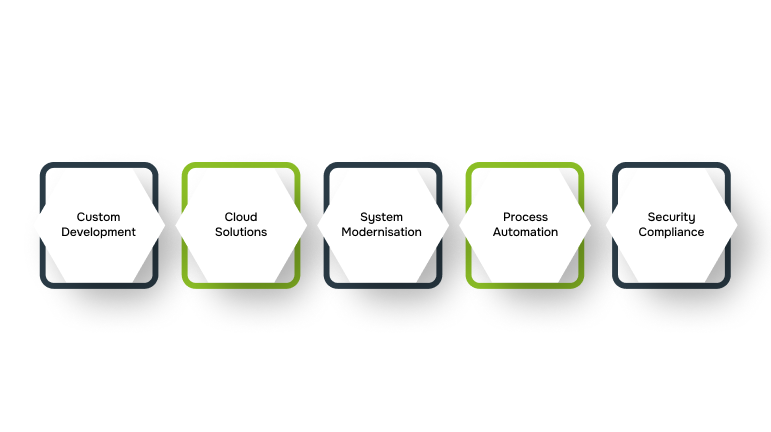
UK businesses today face the challenge of improving operational efficiency while keeping IT costs under control. Below, we explore the key approaches UK businesses can take to achieve these goals, from custom software and cloud solutions to automation, integration, security, and strategic planning.
1. Custom Software Development: Tailored, Efficient, and Affordable
Off-the-shelf software may appear cheaper at first, but it often comes with limitations that can increase costs over time. These include unnecessary features, complicated integrations, and workflow inefficiencies. Custom software is designed specifically for your organisation, ensuring that every function directly supports your operations and reduces friction for employees.
Benefits of Custom Software:
- Alignment with business processes: Software is designed to fit your workflows, eliminating unnecessary steps.
- Enhanced productivity: Employees spend less time managing irrelevant features or manual workarounds.
- Long-term cost savings: Fewer workarounds and reduced licencing costs translate to measurable ROI over time.
- Scalability: Custom systems can grow with your business, avoiding the need for frequent replacements or upgrades.
Initial Cost vs Long-Term ROI
IT solutions should be evaluated for both upfront cost and long-term value. Off-the-shelf software may be cheaper initially, but custom software delivers higher productivity, efficiency, and ROI over time. Here are the key differences:
| Solution Type | Initial Cost | Long-Term ROI | Notes |
| Off-the-Shelf Software | Lower upfront | Moderate; may require workarounds | Can include unnecessary features |
| Custom Software | Higher upfront | High; tailored to workflow | Reduces redundancy, improves efficiency |
Custom solutions integrate seamlessly with existing systems and support the unique processes of your organisation, making them a more sustainable long-term investment. That’s exactly how Alberon helps businesses address inefficiencies and reduce IT costs effectively. Our UK-based experts guide you from planning to deployment, ensuring measurable ROI and smooth integration with your existing systems. Schedule a consultation today to see how we can streamline your operations.
2. Cloud & SaaS Solutions: Scaling Without Breaking the Bank
Cloud-based and Software-as-a-Service (SaaS) platforms have transformed the way UK businesses manage IT infrastructure. Moving to the cloud reduces the need for on-premises servers, cuts hardware maintenance costs, and provides flexible, subscription-based pricing models. Here are some of the key benefits of cloud & saas solutions:
- Remote access: Employees can securely access systems from any location, supporting hybrid and remote working models.
- Automatic updates: Software updates, patches, and maintenance are handled by providers, reducing IT team workloads.
- Data security and compliance: Cloud solutions offer robust security features and can help ensure GDPR compliance.
- Disaster recovery: Built-in backup and recovery tools reduce downtime risk and protect against data loss.
Cloud adoption allows businesses to optimise costs while maintaining operational resilience and flexibility.
3. Legacy System Modernisation: Upgrading Without Disruption
Many UK businesses still rely on legacy IT systems that are costly to maintain, difficult to integrate, and prone to inefficiency. Modernising these systems in a controlled, phased approach can significantly improve performance without disrupting ongoing operations.
Best Practises for Legacy Modernisation:
- Conduct a system audit to identify inefficiencies and plan priorities.
- Implement upgrades in phases, minimising downtime and risk.
- Integrate new systems with existing workflows to maintain business continuity.
- Train employees on new tools to ensure smooth adoption and maximise benefits.
Example:
Gloucestershire County Council embarked on a £7.3 million project to replace its legacy SAP system with the RISE with SAP programme. The initiative aimed to modernise operations and improve efficiency. However, despite significant progress, the council missed its initial go-live deadline in March 2024, pushing the launch to the beginning of the new financial year. This delay highlights the complexities and challenges involved in large-scale system migrations
4. Automation & Integration: Doing More With Less
Automation streamlines repetitive tasks, reduces errors, and allows staff to focus on strategic work. When combined with integration across platforms, businesses eliminate silos, improve data accuracy, and create a more responsive IT environment. Here are some common areas for automation & integration:
- Invoice processing and financial workflows: Reduce manual input and accelerate approvals.
- HR onboarding and approvals: Automate documentation, training, and access management.
- Reporting and analytics: Automatically collect and visualise data for faster decision-making.
- Data synchronisation across platforms: Ensure consistent, real-time information across tools.
Automation and integration reduce operational overhead, enable employees to work smarter, and strengthen business agility without a significant increase in IT spending.
5. Security & Compliance Considerations
Failing to prioritise security or compliance can quickly negate any savings from cost-effective IT solutions. Data breaches, regulatory fines, and operational downtime can be far more expensive than the cost of proactive IT investment. Here are some of the best practises for security and compliance:
- Ensure GDPR compliance and robust data protection policies: Clearly define how personal and sensitive data is collected, stored, and processed. Maintain transparency with clients and staff, and document policies to ensure accountability.
- Choose solutions with built-in security features and access controls: Opt for software and cloud platforms that include encryption, multi-factor authentication, role-based access, automated updates, and regular security patches.
- Conduct regular audits and vulnerability assessments: Proactive monitoring and testing identify weak points before they can be exploited. Both internal audits and independent external reviews help maintain compliance and minimise risk.
- Train staff on safe IT practises and regulatory requirements: Human error is a leading cause of security incidents. Regular training on phishing, secure password management, and regulatory compliance ensures employees act as the first line of defence.
- Integrate security into every IT solution from the outset: Security should not be an afterthought. Whether implementing custom software, cloud platforms, or workflow automation, consider compliance and data protection requirements during planning, development, and deployment.
Now that we’ve explored key IT solutions to boost efficiency, let’s break them down into a clear, actionable checklist for your business.

Also Read: Managed IT Services: Types, Benefits & Challenges
Actionable Checklist for Cost-Effective IT
UK businesses can optimise IT spending and boost operational efficiency by following targeted, practical steps. From auditing workflows and eliminating redundant software to adopting cloud-based solutions, strengthening security, and automating routine tasks, each action focuses on delivering measurable ROI. Here’s a checklist to identify inefficiencies, optimise spending, and make IT investments that deliver real value.
1. Audit Your Current Workflows
- List every software, tool, and manual process your team uses.
- Highlight repetitive or overlapping tasks that could be automated.
- Decide which processes are slowing down productivity and need optimisation.
2. Prioritise Customisation Over Extra Features
- Identify tools with unnecessary features your team doesn’t use.
- Choose software that aligns directly with your business workflows.
- Remove or replace tools that create friction instead of efficiency.
3. Move to Cloud & SaaS Solutions
- Assess which systems can be migrated to cloud-based platforms.
- Switch to pay-as-you-go models to control costs.
- Ensure GDPR compliance and built-in data security before adoption.
4. Integrate Your Systems
- Connect software tools to allow automatic data flow between platforms.
- Reduce manual data entry by syncing information across departments.
- Set up dashboards to monitor performance and track efficiency gains.
5. Engage Experienced IT Consultants
- Schedule an IT audit with a UK-based consultancy like Alberon.
- Develop a phased IT roadmap covering upgrades, integration, and optimisation.
- Implement solutions with guidance to minimise downtime and disruption.
6. Review Licences and Subscriptions Regularly
- Track usage of all software licences every quarter.
- Cancel or consolidate underused or duplicate tools.
- Reallocate savings to high-impact IT investments.
7. Strengthen Security & Compliance
- Ensure all systems meet GDPR requirements and data protection policies.
- Conduct regular vulnerability assessments and audits.
- Train staff to follow safe IT practises consistently.
8. Define a Long-Term IT Roadmap
- Plan upgrades and integrations in phases to avoid business disruption.
- Align IT decisions with future growth and scalability goals.
- Review and update the roadmap annually to stay cost-effective.
9. Automate Routine Tasks
- Identify repetitive manual tasks like invoicing, approvals, or reporting.
- Implement automation tools to reduce errors and free up staff for high-value work.
- Monitor efficiency gains to measure ROI from automation.
10. Consolidate Data & Reporting Tools
- Avoid using multiple platforms for the same reporting needs.
- Centralise data to improve accuracy and reduce time spent on reconciliation.
- Utilise integrated dashboards for quick insights and better decision-making.
11. Plan IT Investments Around Business Priorities
- Prioritise projects that directly impact revenue, efficiency, or compliance.
- Avoid investing in technology that does not support core business goals.
- Regularly review project ROI to ensure continued alignment.
12. Monitor Performance Metrics
- Track KPIs like system uptime, workflow completion time, and employee productivity.
- Use metrics to identify underperforming tools or processes.
- Adjust IT strategy based on real-world data to stay cost-effective.
13. Encourage Staff Adoption & Training
- Provide training sessions when implementing new tools.
- Gather feedback to improve usability and ensure employees use systems effectively.
- Reduce wasted spending on underutilised software by increasing adoption rates.
14. Evaluate Vendor Contracts and SLAs
- Negotiate better pricing or service terms with vendors.
- Ensure SLAs align with business needs for uptime and support.
- Consider switching vendors if costs outweigh benefits.
Using this checklist, businesses can take tangible steps to optimise IT investments, improve efficiency, and achieve long-term cost savings.
Once you’ve assessed your IT efficiency using this checklist, partnering with an experienced provider like Alberon can help turn these insights into actionable, cost-effective solutions.
Also Read: How Custom Software Integration Enhances Business Operations
How Alberon Helps Businesses Achieve Cost-Effective IT
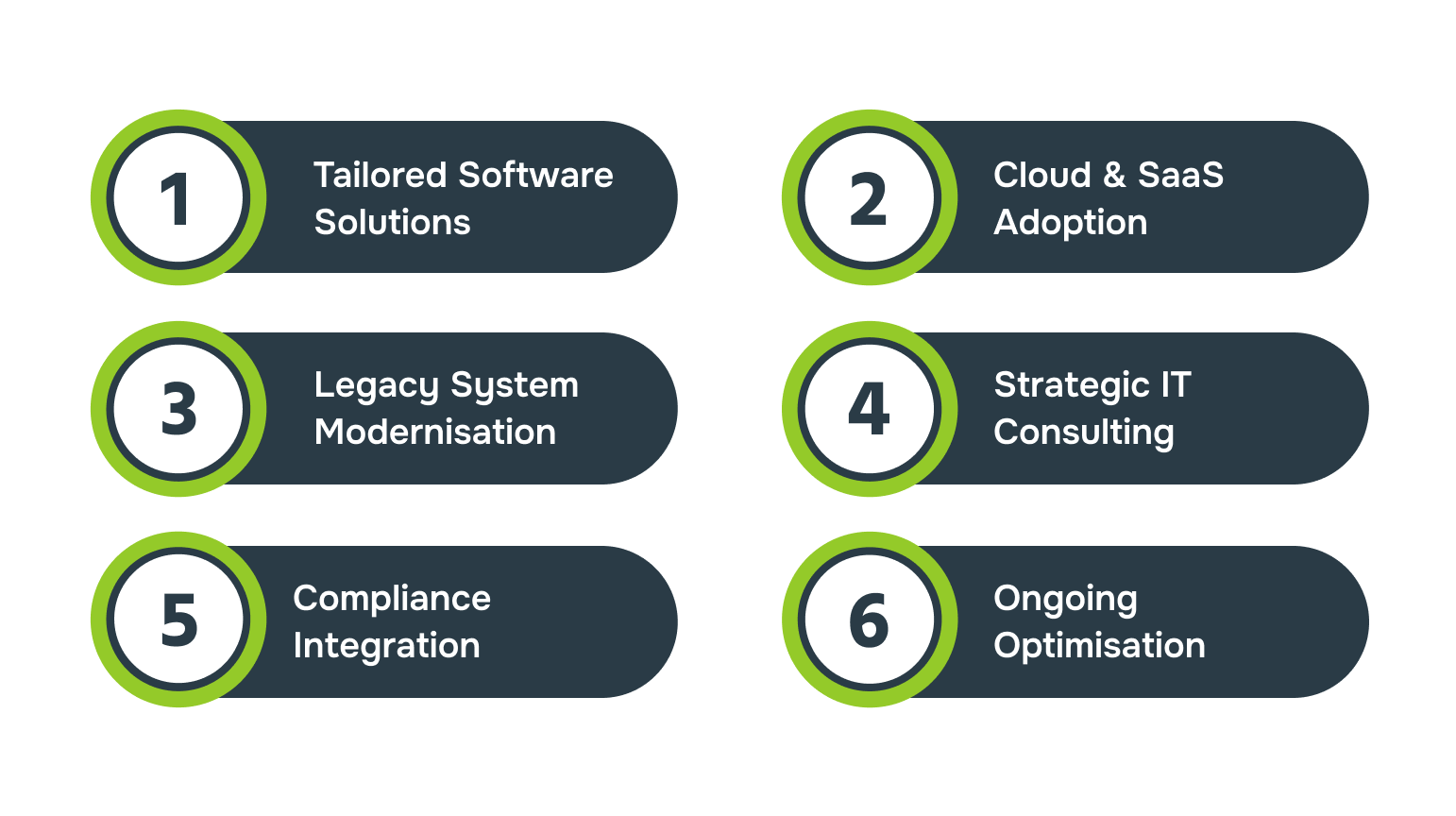
Alberon partners with UK businesses to deliver IT solutions that are not only efficient but also cost-effective. By combining expert consultation, custom software development, and ongoing support, Alberon ensures every technology investment drives measurable value.
- Tailored Software Solutions: Alberon develops custom software designed to match your unique business processes. Unlike off-the-shelf tools, these solutions eliminate unnecessary features, reduce workflow inefficiencies, and integrate seamlessly with existing systems. The result is higher productivity and lower long-term costs.
- Cloud & SaaS Adoption: Alberon helps businesses migrate to cloud-based platforms, allowing pay-as-you-go models, flexible scalability, and reduced infrastructure expenses. Cloud solutions also simplify maintenance, automate updates, and enhance remote accessibility, all while ensuring GDPR compliance.
- Legacy System Modernisation: Outdated IT systems can be expensive to maintain and hard to integrate. Alberon modernises legacy infrastructure in phases, minimising disruption while unlocking new efficiencies. Businesses benefit from faster reporting, lower operational costs, and improved employee productivity.
- Strategic IT Consulting: Before implementing new tools, Alberon conducts a thorough audit of current systems and workflows. Their consultants identify inefficiencies, recommend optimised solutions, and create a phased roadmap to ensure smooth deployment and maximum ROI.
- Security & Compliance Integration: Alberon builds security into every IT solution, helping businesses meet GDPR requirements and protect sensitive data. Regular audits, vulnerability assessments, and staff training reduce the risk of breaches and costly downtime.
- Ongoing Support & Optimisation: Post-deployment, Alberon continues to monitor performance, fine-tune systems, and provide guidance as businesses grow. This ensures that IT remains cost-effective and aligned with evolving operational needs.
Looking to reduce IT costs without compromising efficiency? Partner with Alberon to implement tailored, secure, and scalable solutions that deliver measurable ROI. Book a consultation today.

Conclusion
Investing in cost-effective IT solutions is no longer optional for UK businesses; it’s essential for staying competitive, reducing inefficiencies, and maximising ROI. By adopting tailored software, cloud-based platforms, modernising legacy systems, and integrating automation, businesses can optimise operations while controlling costs.
Partnering with a trusted technology consultancy like Alberon ensures every IT investment is strategically planned, secure, and aligned with long-term growth goals. From consultation and implementation to ongoing support, Alberon helps UK businesses streamline processes, safeguard data, and achieve measurable results.
Book a consultation with Alberon today to explore IT solutions designed specifically for your business needs.
FAQ
1. How can I reduce IT costs without compromising performance?
Implementing IT cost optimisation strategies such as rightsizing cloud resources, consolidating software licences, and automating routine tasks can help reduce expenses while maintaining performance.
2. What are the benefits of outsourcing IT support?
Outsourcing IT support can provide cost-effective solutions by offering services like network management, cybersecurity, and helpdesk support at a fixed monthly fee, allowing businesses to predict their IT expenses more accurately.
3. How do I choose the right IT provider for my business?
When selecting an IT provider, consider their experience in your industry, their approach to cybersecurity and data protection, and their ability to offer scalable solutions that align with your business needs.
4. What role does automation play in reducing IT costs?
Automation can significantly reduce IT costs by streamlining repetitive tasks, improving efficiency, and minimising human error, leading to long-term savings and enhanced productivity.
5. How can cloud solutions help lower IT expenses?
Cloud-based solutions offer scalability, flexibility, and cost savings by eliminating the need for on-premises infrastructure and providing pay-as-you-go models that align with actual usage.
6. What are the risks of not investing in IT security?
Neglecting IT security can lead to significant financial losses due to cyberattacks, data breaches, and system downtimes. Investing in robust security measures is essential to protect your business assets and maintain customer trust.
Ready to Improve your Business Productivity
Get a trusted partner to navigate your digital transformation. With Alberon, you can ensure a smooth transition, clear communication, and peace of mind.