
Bespoke Software Solutions for Unique Needs UK
Boost efficiency with bespoke software solutions that fit your UK business needs. Enjoy enhanced security and seamless integration. Get started today!
Want to make your Microsoft 365 work harder for your business?
and we’ll tailor a solution that’s just right for you.
Is your business finding it challenging to source software that genuinely fits your unique needs? Off-the-shelf solutions can be convenient but frequently fall short in addressing industry-specific challenges, compliance demands, and scalability requirements.
Bespoke software development offers UK organisations the opportunity to craft tailored solutions designed precisely around their workflows and regulatory environments, unlocking new levels of efficiency, security, and competitive advantage.
This guide will walk you through how custom software can transform your operations and why a tailored approach is essential for future-proofing your business.
Key Takeaways
- Custom software boosts scalability and seamless integration within existing UK-based infrastructures.
- Ensure compliance with UK-specific regulations like GDPR from the start to avoid legal risks.
- Follow a clear development lifecycle: thorough discovery, tailored design, careful deployment, and proactive ongoing support.
- Collaborate with experienced UK partners to leverage local expertise and streamline project delivery.
- View bespoke software as a strategic investment that enhances operational efficiency and sustains competitive advantage.
What Is Bespoke Software Development, and Why Does Your Business Need It?
Bespoke software development is the creation of digital solutions purpose-built for your organisation’s unique requirements. Unlike generic, off-the-shelf applications, bespoke software is designed from the ground up, ensuring an exact fit for your processes, compliance obligations, and growth ambitions.
While commercial platforms might promise convenience, they often introduce compromises: functionality gaps, costly workarounds, and integration headaches. Over time, these limitations can restrict your team’s productivity and leave you vulnerable to inefficiencies or compliance risks.
Why Invest in Custom Software?
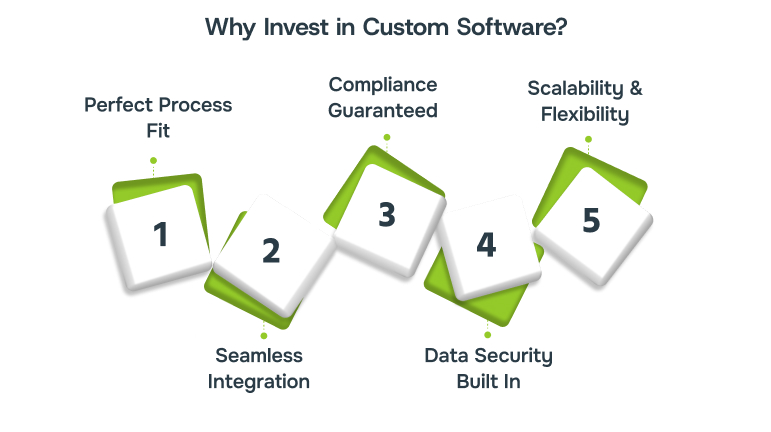
- Perfect Process Fit: Bespoke solutions are tailored to your exact workflows, eliminating unnecessary features and streamlining operations.
- Seamless Integration: Custom development ensures your software works harmoniously with existing systems, whether legacy or cloud-based.
- Compliance Guaranteed: With increasing regulatory scrutiny (such as GDPR and industry-specific standards), custom solutions ensure your business remains compliant from day one.
- Data Security Built In: Security best practises and UK-specific data protection measures are incorporated throughout development, safeguarding sensitive information.
- Scalability and Flexibility: As your organisation grows or pivots, bespoke software can adapt—future-proofing your investment and supporting long-term strategy.
Tailored software puts you firmly in control, shaping technology to your needs, rather than the other way round.
With a clear understanding of bespoke software’s value, the next crucial step is to prepare your organisation for a successful custom development project.
What to Prepare Before Starting a Custom Software Project
Before embarking on a bespoke software development journey, thorough preparation is crucial to ensure a smooth and successful outcome. Investing time up front to define your needs, secure buy-in, and assess your technical landscape sets the stage for a project that delivers lasting value.
Key Areas to Address
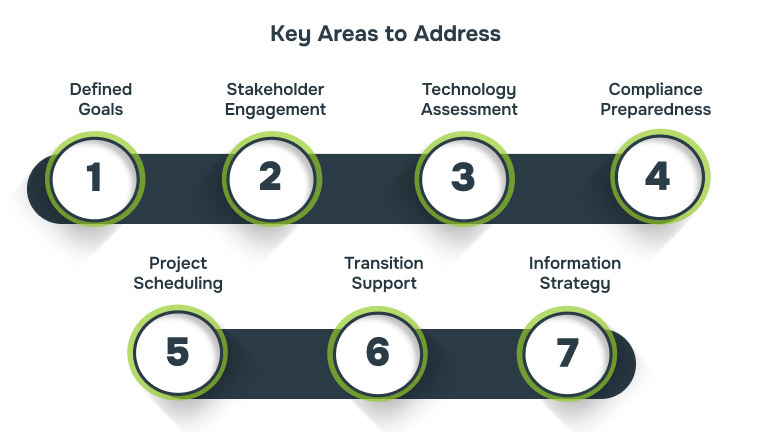
- Clear Objectives and Success Criteria: Clarify your organisation’s goals for the software. Document specific challenges you need to solve, expected business outcomes, and key performance indicators that will measure success.
- Stakeholder Engagement: Involve all relevant departments such as IT, finance, operations, and end-users, from the outset. Early engagement ensures requirements are accurately captured and potential bottlenecks are identified before they can impact the project.
- Current Systems and Technology Audit: Review your existing IT infrastructure, software stack, and integration requirements. Identify legacy systems or data sources that may need to connect to your new solution, and assess whether upgrades or migrations are necessary.
- Data and Compliance Readiness: Assess how the software will handle sensitive or regulated data. Ensure you understand your obligations under UK law, including GDPR and sector-specific standards. Prepare for secure data migration and set clear privacy expectations from the start.
- Budget and Timeline Planning: Define a realistic budget that includes development, implementation, training, and ongoing support. Outline desired deadlines, but remain flexible enough to accommodate discovery and iterative development processes.
- Change Management and Training: Anticipate user adoption challenges and plan training resources accordingly. Identify change champions within your organisation who can support and advocate for the project during and after rollout.
- Documentation and Communication Plan: Set out how project updates, milestones, and risks will be communicated. Maintain clear and accessible documentation throughout the process to keep all stakeholders aligned.
Addressing these elements upfront lays a solid foundation for a smooth development process.
By addressing these essential preparations, you lay the groundwork for a successful and seamless development project. With these foundations set, the next step is to explore the detailed process of delivering your bespoke software solution.
How to Deliver a Bespoke Software Solution: Step-by-Step Guide
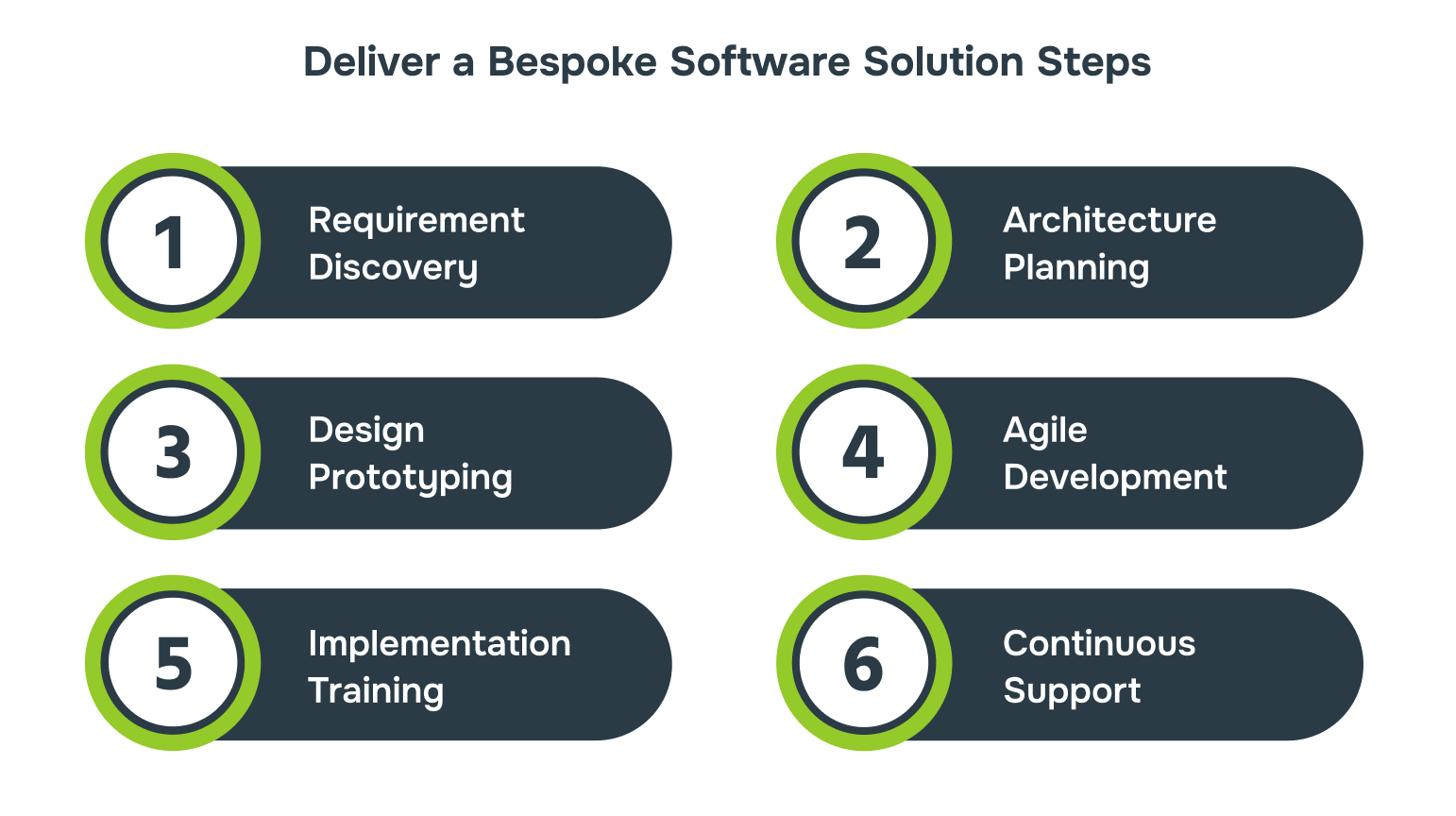
Delivering a successful bespoke software solution requires a structured approach that aligns with your organisation’s unique needs and objectives. This step-by-step guide breaks down the development journey into clear phases, helping you manage risks and maximise the benefits of a tailored solution.
Step 1: Discovery and Requirement Gathering
Gathering detailed requirements is the foundational step in delivering bespoke software. This involves engaging key stakeholders across your organisation to understand precise business challenges, user needs, and any regulatory requirements.
- Conduct workshops and interviews to capture workflows and pain points.
- Document user scenarios and desired outcomes to guide development.
- Identify compliance considerations relevant to your sector and UK law.
Step 2: Solution Architecture and Planning
Defining a clear technical plan ensures your software is built on a robust and scalable foundation. This phase converts business needs into technical specifications aligned with security and compliance standards.
- Design system architecture and select appropriate technology stacks.
- Plan integration points with existing legacy or cloud systems.
- Include security measures that comply with UK data protection regulations.
Step 3: Design and Prototyping
Creating wireframes and prototypes helps visualise the user experience and core workflows early, allowing for feedback and iterative improvements before coding begins.
- Develop user interface mock-ups and interactive prototypes.
- Collaborate with users to validate and refine designs.
- Ensure usability and efficiency guide design decisions.
Step 4: Agile Development and Quality Assurance
Software is developed in iterative cycles, enabling continuous testing and adjustments based on real-world feedback. This approach reduces risk and keeps the project aligned with user needs.
- Build software in short development sprints with frequent reviews.
- Conduct tests for functionality, security, and performance at each stage.
- Involve end users regularly to confirm the solution meets requirements.
Step 5: Implementation and Training
Deploy the final software into your IT environment with minimal disruption. Comprehensive user training and support are essential for effective adoption and realising business benefits.
- Integrate the bespoke software with existing systems smoothly.
- Provide hands-on training sessions and documentation for users and administrators.
- Establish support channels to address issues and questions promptly.
Step 6: Ongoing Support and Optimisation
Post-launch activities focus on monitoring system performance, responding to user feedback, and making improvements to keep your solution effective and aligned with evolving business needs.
- Monitor software usage and resolve any operational issues.
- Plan regular maintenance, updates, and security patches.
- Enhance and extend features based on continuous feedback.
Ready to grow your business with bespoke software solutions? Contact Alberon today to explore how our custom software development services can streamline your operations and ensure seamless integration across your organisation.
By carefully preparing and following a clear development process, you can address key areas like system integration, security, and user adoption. Embracing bespoke software development helps your organisation achieve greater efficiency, scalable growth, and a lasting competitive advantage.
Key Benefits of Completing a Custom Software Development Project
Completing a bespoke software development project ensures your organisation gains a solution tailored to your unique needs, setting the stage for enhanced efficiency, compliance, and growth. It provides a thorough evaluation of your requirements and delivers a custom system designed to eliminate gaps and improve performance. Key benefits include:
- Tailored Solutions: Custom software aligns perfectly with your specific workflows and business goals.
Example: A bespoke CRM built specifically for your sector’s sales processes streamlines customer management and boosts productivity. - Improved Integration: Seamless connection with your existing IT infrastructure ensures smooth data flow and operational continuity.
Example: Integration of your bespoke application with legacy finance and HR systems eliminates manual data entry and reduces errors. - Increased Scalability: Bespoke software can grow and evolve with your organisation, adapting to new requirements without costly replacements.
Example: Adding new modules is straightforward, supporting business expansion or new services without disrupting existing operations. - Enhanced Security and Compliance: Custom solutions incorporate UK-specific data protection standards and regulatory requirements from the start.
Example: A healthcare management platform designed to meet GDPR and NHS data security regulations safeguards patient information. - Cost Efficiency Over Time: While initial investment may be higher, you avoid ongoing licence fees and unnecessary features, maximising ROI.
Example: Paying only for functionalities you need reduces waste and lowers maintenance costs compared to generic software suites. - Better User Adoption: Solutions designed with your users in mind improve acceptance and reduce resistance to change.
Example: Intuitive interfaces and targeted training lead to faster uptake and higher productivity across teams. - Competitive Advantage: Unique functionalities tailored to your market give you a strategic edge over competitors relying on off-the-shelf products.
Example: Custom reporting features provide insights that empower data-driven decision-making ahead of industry peers.
With these benefits in mind, the next step is to understand the key phases of the bespoke software development journey and what to expect along the way.
What to Expect During and After the Custom Development Process
Choosing bespoke software is just the beginning. Here’s a clear outline of what you and your organisation should expect throughout the custom development journey, covering both the active build phase and what follows after launch:
During the Custom Development Process
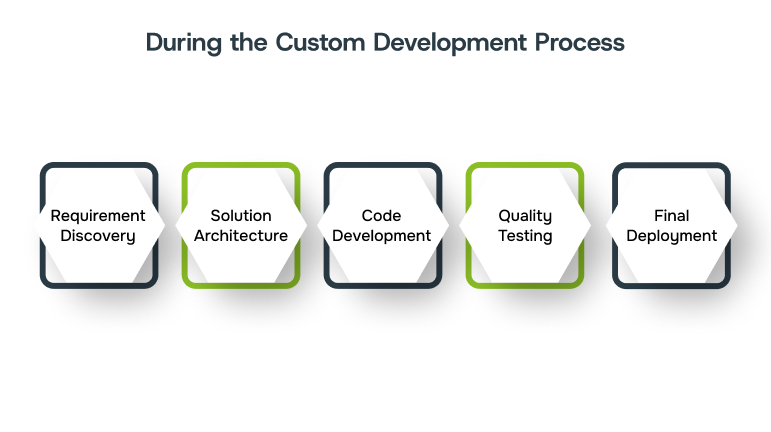
1. Discovery and Requirement Gathering
- Collaborate with stakeholders to define challenges, must-have features, and the outcomes you expect.
- Workshops, interviews, and process mapping are common to ensure every requirement is captured.
2. Solution Design and Architecture
- Developers and designers craft system architecture and user interface wireframes or prototypes.
- Early visual mockups let you validate workflows and integrations before any coding begins.
3. Development and Coding
- The development team builds the software in iterative cycles, usually following agile methods for flexibility.
- Both back-end infrastructure and front-end interfaces are created, ensuring security and scalability from the ground up.
4. Testing and Quality Assurance
- Rigorous testing catches bugs, checks for performance bottlenecks, ensures data security, and confirms compliance.
- Testing methods include functional, integration, user acceptance, and stress tests before go-live.
5. Deployment and Launch
- Your finished solution is rolled out to the production environment, either as a complete switchover or in stages.
- Any necessary data migration happens here, along with initial training for administrators and key users.
After the Custom Development Process
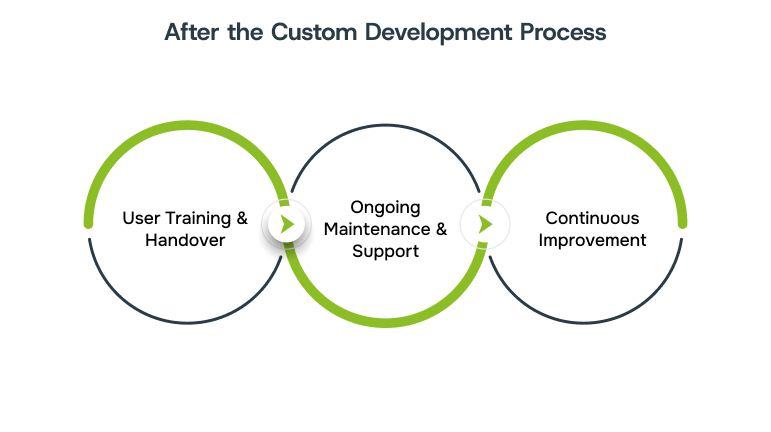
6. User Training and Handover
- Detailed documentation and hands-on training empower your teams to fully embrace the new system.
- Ongoing support lines are established for troubleshooting and rapid response to questions.
7. Ongoing Maintenance and Support
- Regular updates, patches, and minor enhancements keep your software optimised and aligned with changing needs.
- Your development partner may offer dedicated support services to quickly address issues and plan future upgrades.
8. Continuous Improvement
- Post-launch reviews, user feedback, and performance analytics help identify opportunities for further enhancements or new features.
- The software remains adaptable, growing alongside your business or sector developments.
Now that you have a clear understanding of the bespoke software development journey, it’s important to recognise common challenges that can arise and explore strategies to successfully overcome them.

Potential Challenges You May Encounter During Bespoke Software Development
While bespoke software development offers tailored solutions, several challenges can arise that impact timelines, budget, and user adoption. Recognising and addressing these challenges early helps ensure a smoother development process and successful implementation.
| Challenge | Description | Solution |
| Unclear Requirements | Vague or shifting requirements can cause scope creep and delays. | Conduct thorough requirement gathering workshops and validate with stakeholders before development. |
| Integration Complexities | Difficulty connecting bespoke software with legacy or third-party systems. | Perform comprehensive system audits early; plan integrations in phases with rigorous testing. |
| User Adoption Resistance | Employees may resist change or find the new solution hard to use. | Engage users early, gather feedback, provide targeted training, and communicate benefits clearly. |
| Budget Overruns | Costs may escalate due to unplanned features or extended timelines. | Set realistic budgets with contingency plans, prioritise features, and monitor spending with regular reviews. |
| Security and Compliance Risks | Overlooking regulatory or data protection requirements can cause vulnerabilities. | Involve compliance and IT security teams throughout design and testing to ensure all standards are met. |
| Infrastructure Limitations | Existing IT infrastructure may not support new software requirements. | Assess infrastructure early and plan necessary upgrades before deployment. |
Facing challenges with bespoke software development? Alberon’scustom software development provides tailored solutions to ensure a simplified project, helping you achieve a smooth and successful deployment.
While issues like unclear requirements and legacy system compatibility are frequent, learning from how other organisations have overcome these obstacles offers valuable insights for your journey.
Examples of Successful Bespoke Software Deployments in the UK
Successful bespoke software deployments highlight how tailored solutions can deliver measurable improvements in efficiency, compliance, and user satisfaction. These examples offer helpful insights into how bespoke development can drive business transformation.
1. Intelligent Case Management System for Volunteer Coordination in Police Custody
Challenges: The organisation faced time-consuming manual coordination of volunteers, slow response times, complex compliance requirements, and concerns over data security while supporting vulnerable individuals in police custody.
Solution: A bespoke case management system was developed featuring intelligent volunteer matching, mobile access, integrated communications, digital forms, secure data architecture, and comprehensive reporting tools.
Outcome: The system sped up response times, reduced administrative workload, ensured full compliance with regulations, enhanced volunteer satisfaction, and increased the capacity to manage more cases with the same team.
2. Web-Based Management System for a College
Challenges: The college required a branded intranet to provide students, fellows and staff with controlled access to essential data while connecting different departments effectively.
Solution: A web-based platform was introduced to integrate all the college’s systems, making data easier to manage and update, saving time and improving data quality.
Outcome: The new accessible and user-friendly student room allocation system simplified the process for staff and made it straightforward for students to use.
How Alberon Supports Your Bespoke Software Success
Alberon plays a pivotal role in ensuring your bespoke software project is a success from concept to long-term support. With hands-on, practical expertise and a tailored approach, Alberon aligns its services to your unique needs, guiding your organisation through every phase for smooth implementation and lasting value.
- Custom Software Planning & Discovery: Alberon conducts a thorough analysis of your requirements and business processes, ensuring the solution is designed to meet your exact objectives and overcome any identified challenges.
- Solution Design & Integration: The team develops software with your future growth in mind, integrating smoothly with your existing systems and third-party platforms to enhance efficiency without disruption.
- Agile Project Delivery: Alberon manages the project using agile methods, an iterative development approach enabling frequent feedback, flexibility, and continuous improvement to ensure transparent communication and stakeholder involvement throughout the process.
- Security and Compliance: Every bespoke solution is designed to meet UK data protection legislation and relevant regulatory standards, giving you peace of mind and robust operational security.
- User Training and Support: Alberon provides detailed documentation, tailored training programmes, and responsive support to ensure your team is fully ready to adopt and use the new system with confidence.
- Continuous Improvement: After launch, Alberon remains a trusted partner, offering proactive support, scheduled updates, and regular reviews to ensure your software continues to evolve with your business.

Conclusion
Incorporating bespoke software into your organisation offers a powerful way to address unique business challenges and enhance operational efficiency. By delivering customised solutions that align with your specific needs, bespoke development empowers your teams to work smarter and adapt more quickly in a dynamic marketplace.
Alberon’s personalised approach goes beyond just creating software; we focus on understanding your objectives and providing ongoing support to ensure sustained value from your investment. With our expert advice and customised solutions, you can utilise the full potential of bespoke software to drive growth, compliance, and competitive advantage.
If you’re ready to use bespoke software to transform your business, contact Alberon to learn how our custom solutions can assist you in achieving lasting success.
FAQs
Q: How long does it take to develop bespoke software?
A: Timelines vary based on complexity, typically ranging from a few months for simple solutions to over a year for enterprise systems.
Q: Is bespoke software more expensive than off-the-shelf options?
A: While upfront costs can be higher, long-term ROI is often superior due to a better fit, no licencing waste, and lower integration headaches.
Q: How do I ensure my solution stays compliant?
A: Partner with specialists familiar with UK regulations. Regular audits and updates will maintain compliance as laws evolve.
Q: Can we integrate with our existing systems?
A: Yes, bespoke solutions can be designed for seamless integration with legacy software and cloud platforms.
Q: What post-launch support is available?
A: Most partners offer ongoing support, from troubleshooting to feature enhancements, backed by detailed documentation and training.
Ready to Improve your Business Productivity
Get a trusted partner to navigate your digital transformation. With Alberon, you can ensure a smooth transition, clear communication, and peace of mind.